
Bulk Fluralaner Cattle Pour-On Guide for Effective Parasite Control
2026-08-22
Parasites don’t just nibble at your herd’s comfort—they quietly drain weight gains, milk yield, and profits. If you’ve been fighting a losing battle against flies, ticks, and mites in your cattle operation, it’s time to rethink your approach. Bulk Fluralaner cattle pour-on solutions are emerging as a game-changer for producers who want long-lasting, broad-spectrum control without breaking the bank. In this guide, we’ll walk through exactly how to use fluralaner pour-on effectively, from dosing math to application timing, so you can protect your animals and your bottom line. For reliable sourcing and expert-backed options, Lucpets has become a go-to name among savvy ranchers—stick around to see why.
Figuring Out How Much Each Animal Actually Needs
Determining exact nutritional requirements isn't a one-size-fits-all equation. A growing puppy burns through calories and calcium at a rate that would overwhelm a sedentary senior cat. Body weight gives you a starting point, but metabolic rate, activity level, and even ambient temperature shift the numbers daily.
Veterinary nutritionists often rely on resting energy requirement (RER) formulas, then multiply by factors tied to life stage and workload. For instance, a lactating dog may need three to four times her baseline intake, while a neutered indoor cat might thrive on slightly less than the label suggests. The mismatch between generic feeding charts and real-world need is where many owners go wrong.
Instead of rigid grams, watch body condition. Ribs should be felt under a thin fat layer, not buried. Adjust portions weekly by 5–10% until the animal holds a steady, healthy weight. That feedback loop—measuring the animal, not the bowl—is the most reliable way to figure out what each one actually needs.
What Makes Pour-On Delivery Different from Injectables
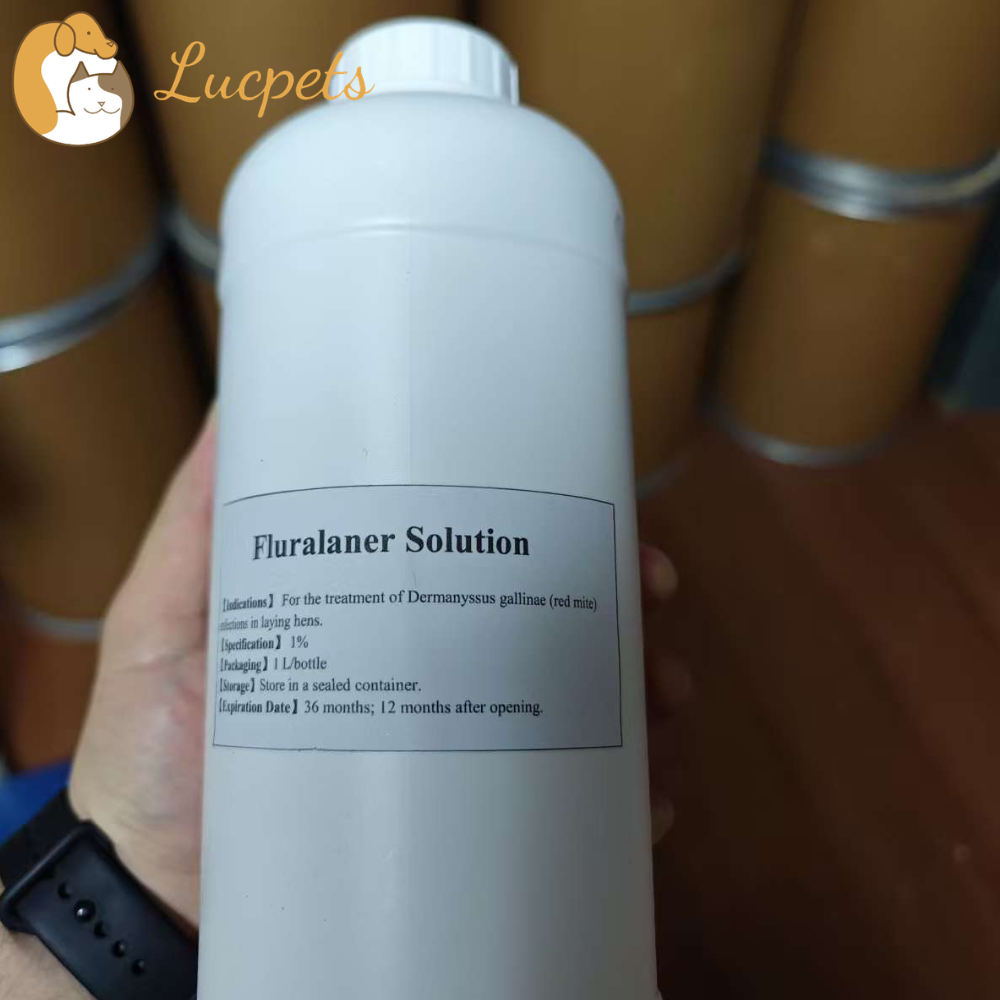
Pour-on products work by being applied directly along the animal's backline, where the active ingredient is absorbed through the skin and distributed systemically. Injectables, by contrast, require a needle to deliver the drug into muscle or under the skin. That single difference changes how you handle animals, how much time each one takes, and what can go wrong during application.
With a pour-on, you can dose a moving animal in seconds without a chute or squeeze, which is why it's popular for large groups or feral cattle. But absorption can be uneven if the animal's coat is wet, dirty, or if rain follows shortly after treatment. Injectables give you more control over the dose actually entering the bloodstream, but they demand proper restraint, clean needles, and a steady hand to avoid injection-site lesions or broken needles.
On a busy day, the no-needle advantage also means no sharps container, no needle-stick risk for the crew, and no stopping to change needles between animals. But pour-ons have their own failure points: if cattle lick each other's backs, they can ingest the product, and some compounds simply aren't absorbed well through hide. Injectables remain the only option for drugs that need rapid, reliable blood levels.
The Parasite Range This Active Ingredient Covers
When you look at label claims for this active ingredient, the internal parasite list usually centers on the common intestinal nematodes. Roundworms like Toxocara canis and Toxascaris leonina are covered in most companion animal products, along with hookworms such as Ancylostoma caninum and Uncinaria stenocephala. Whipworm coverage is less universal but appears in several formulations aimed at dogs.
The external spectrum leans toward fleas and ticks, but species coverage is not identical across brands. Adult fleas and developing flea stages are typically included, while tick claims may extend to Rhipicephalus sanguineus, Ixodes ricinus, Dermacentor variabilis, or Amblyomma americanum depending on the region and regulatory approval. A few products also mention mites like Otodectes cynotis or Sarcoptes scabiei.
A practical point worth remembering is that tapeworms and heartworms often fall outside this ingredient's core range unless it is combined with a second molecule. Products that list only this active ingredient may leave Dipylidium caninum or Dirofilaria immitis untreated, so it pays to scan the full parasite table rather than assume broad coverage.
Choosing Treatment Windows That Stop Reinfestation
Timing a treatment isn't just about killing the pests you can see—it's about breaking the cycle before it starts again. Many infestations rebound because the applicator treated too early or too late, missing the vulnerable stage of the pest's life cycle. For example, if you target adult fleas while eggs and larvae are still developing in carpets or cracks, you'll see a temporary drop followed by a fresh wave. The real skill lies in mapping the pest's reproductive timeline to your local climate, then scheduling follow-up applications to hit the next generation as it emerges.
A practical approach is to treat at the first sign of activity, then monitor and re-treat at the interval that matches the pest's egg-to-adult transition. For bed bugs, that often means two or three visits spaced about two weeks apart, because newly hatched nymphs are more susceptible than eggs. With moths or pantry beetles, you might need to align treatments with seasonal temperature shifts that accelerate larval development. Skipping the second window is the most common reason treatments fail—you wipe out the adults, but the developing stages survive and repopulate within a month.
The best defense against reinfestation is a treatment window that anticipates the next hatch, not just the current outbreak. Write down the date you first noticed the problem, then research the typical development time for that specific pest under your indoor conditions. Adjust for humidity and warmth, since both speed up growth. Then set a reminder to inspect and, if needed, apply a follow-up treatment just before the next generation becomes mobile. This turns a reactive spray into a strategic interruption—and that's what actually stops reinfestation for good.
Withdrawal Times and Safety Limits for Treated Cattle
Every drug given to cattle has a defined withdrawal time—the interval between the last treatment and when the animal can legally enter the food chain. This period allows the animal's metabolism to clear the drug or its residues below levels that could harm consumers. Since hepatic and renal clearance rates vary by drug class, age, and health status, a one-size-fits-all waiting period simply doesn't exist. Label directions remain the primary reference, and deviations from them are rarely justifiable in commercial practice.
Maximum residue limits (MRLs) are set for edible tissues such as muscle, liver, kidney, and fat, and they reflect the most sensitive toxicological endpoints. Testing methods are highly sensitive, meaning even trace amounts above the legal threshold can trigger a failed carcass inspection. Producers should be aware that injection site residues in muscle often persist longer than expected, especially after subcutaneous or intramuscular use of long-acting formulations. Checking the specific tissue MRLs before marketing an animal is a practical safeguard.
Accurate record-keeping is the weakest link in most withdrawal programs. A clear log of treatment date, product name, dose, route, and estimated slaughter date removes guesswork. For animals with compromised kidney or liver function, or for very young or debilitated cattle, extending the withdrawal period beyond label recommendations is a sensible margin of safety. When a product is used in an extra-label manner, only a veterinarian can provide a science-based withdrawal interval; guessing can lead to regulatory action and public health risk.
Keeping Bulk Containers Stable Through Every Season
Seasonal shifts bring more than just a change in temperature—they alter ground conditions, moisture levels, and the very physics of how bulk containers settle. A container that sits rock-solid in dry summer heat can list dangerously after autumn rains soften the soil beneath its footprint. The key is to treat stability not as a one-time setup, but as a rhythm that follows the calendar.
Start by checking the base twice a year, ideally just before the wet season and again after the first hard freeze. Gravel pads need replenishment as fines wash away, while concrete pads should be inspected for hairline cracks that expand with ice. For containers on bare earth, consider adding geotextile fabric under a raised gravel bed—this stops the slow sink that happens when thaw cycles turn topsoil to mud.
Don't overlook the weight distribution inside the container. As seasons change, so does the way you use the space: winter gear gets piled at the back, summer inventory moves to the front. Rebalance the load quarterly, keeping heavier items low and centered. And if you're in an area with high winds or heavy snow, anchor the container with ground spikes or concrete deadmen—tensioned straps can be adjusted as the ground heaves, preventing that telltale lean that, left unchecked, becomes a safety issue by spring.
FAQ
Fluralaner targets a broad range of external and internal parasites with a single application, and its long residual activity reduces the need for repeated treatments. Unlike some traditional products that require frequent reapplication, it binds to plasma proteins and is slowly released, offering sustained protection throughout the parasite season.
Keep it in original, tightly sealed containers away from direct sunlight and temperature extremes, typically between 40°F and 86°F. Avoid freezing, and use opened containers within the timeframe specified by the manufacturer to prevent degradation.
Apply at the start of the parasite season, usually in late spring or early summer, before fly and tick populations peak. In regions with year-round parasite pressure, a second application may be needed, but always follow veterinary guidance based on local conditions.
Fluralaner pour-on products have label approvals that may include pregnant and lactating cattle, but age and weight restrictions for calves vary. Always check the specific product label and consult a veterinarian before treating vulnerable animals.
Applying to wet or muddy hides, underdosing by not weighing cattle, or spreading the dose over too small an area can reduce absorption. Pour along the midline from withers to tailhead and allow cattle to remain dry for the time stated on the label.
Bulk purchases often lower the per-dose cost and ensure a consistent supply during peak parasite season. However, it is important to verify shelf life and storage capacity so the product does not expire before use.
It is effective against several external parasites such as horn flies, ticks, lice, and mites, and may also have activity against certain internal parasites depending on the formulation. Check the specific product label for the full list of approved claims.
Wear protective gloves and clothing, avoid contact with skin and eyes, and do not eat, drink, or smoke during application. Wash hands after use and follow any additional personal protective equipment requirements listed on the label.
Conclusion
Accurate dosing starts with weighing animals or sorting by weight bands, because pour-on rates hinge on body weight rather than a fixed volume per head. Calibrating applicators and checking the dosing gun between groups prevents both underdosing, which leaves parasites alive, and overdosing, which wastes product. Unlike injectable formulations, a pour-on spreads through the skin's lipid layer and enters the bloodstream without needles, reducing handling stress and eliminating injection-site lesions. However, proper application along the midline from withers to tailhead matters more than with injectables; rain or heavy dust shortly after treatment can reduce absorption if cattle are not dry.
Fluralaner's active ingredient covers a broad ectoparasite range including ticks, mites, and lice, making it a flexible choice when multiple pests overlap. Timing treatments to match seasonal peaks and pasture changes breaks reinfestation cycles better than treating after visible infestations. Always observe meat and milk withdrawal periods, and document treatment dates for each group. For bulk containers, keep drums sealed and stored away from direct sun and freezing temperatures, since repeated temperature swings can destabilize the formulation. Use clean transfer equipment and avoid returning unused product to the original drum to prevent contamination that shortens shelf life.
Contact Us
Contact Person: Aaron
Email: [email protected]
Tel/WhatsApp: +86 18177165140
Website: https://www.lucpetsglobal.com